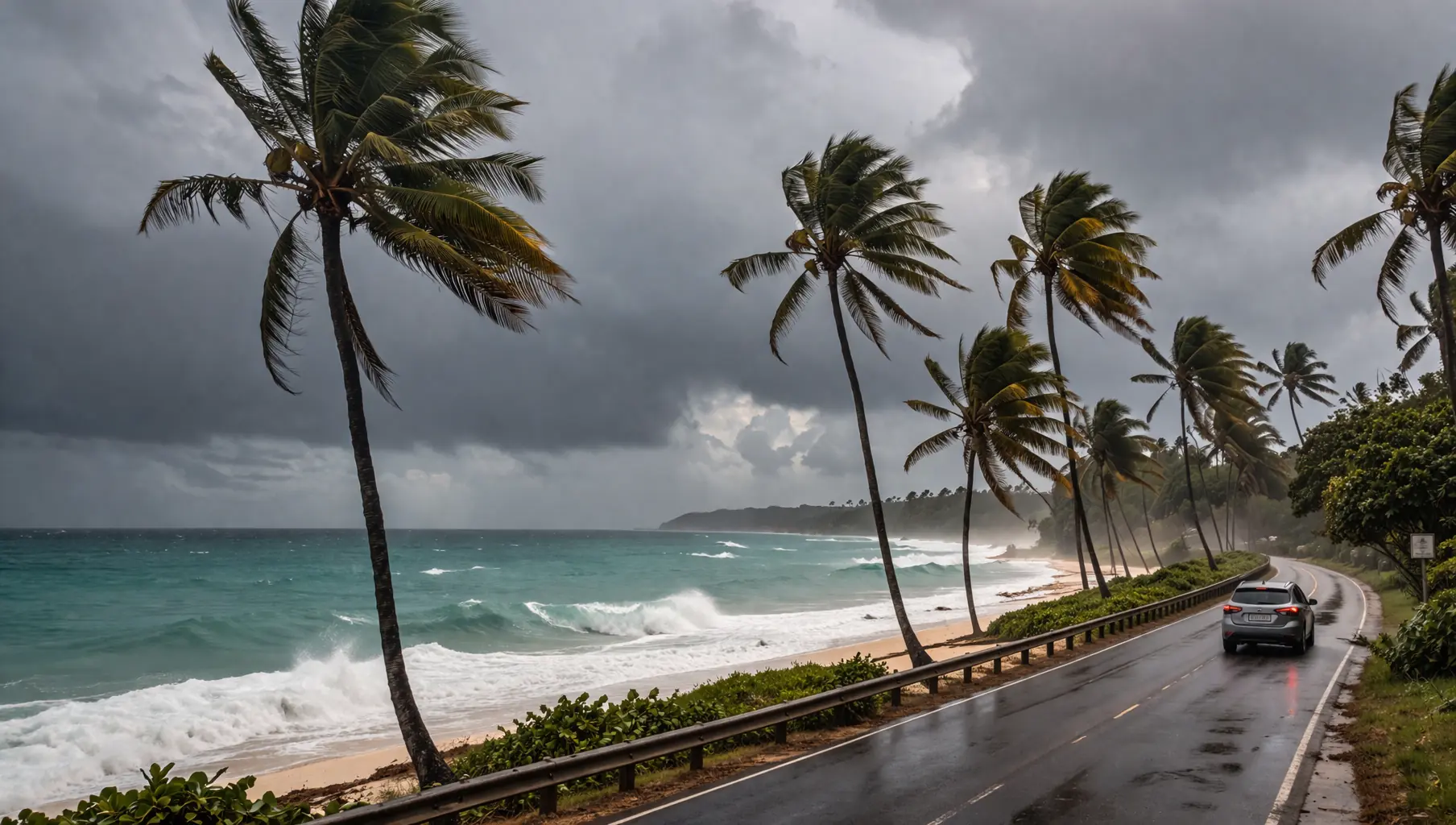
If you are trying to figure out the worst time to travel Puerto Rico, look no further than late August through September, but don’t ignore the rising threat of the 2026 Sargassum season. This period sits squarely in the crosshairs of the Atlantic hurricane season and massive seaweed inundations, bringing heavy daily rains and significant storm risks that can derail any itinerary. Why spend thousands on a tropical escape only to be trapped inside a hotel room? Let’s break down exactly when to avoid the island and how to outsmart the turbulent weather cycles.
- September travel shifted from rain avoidance to high-stakes infrastructure risk management due to LUMA grid instability.
- Tropical paradise aesthetics vanish when June Sargassum blooms transform eastern beaches into sulfurous, decomposing marshes.
- Low off-season rates are irrelevant if Act 60 gentrification maintains high baseline costs for premium rentals.
Contents
- 1 Understanding Puerto Rico’s Climate and Seasons
- 2 The Impact of Weather on Travel Plans
- 3 Worst Times to Travel Based on Popular Opinion
- 4 Alternatives to Avoid the Worst Travel Periods
- 5 Travel Tips for Visiting During Less Ideal Times
- 6 Local Events and Festivals to Consider
- 7 Long-Term Travel Planning and Resources
- 8 FAQ
- 9 Sources
Understanding Puerto Rico’s Climate and Seasons
Planning a trip requires a solid grasp of the island’s tropical environment. To accurately identify the worst time to travel Puerto Rico, you have to look past the postcards and study the actual precipitation cycles and atmospheric events like the Sahara Dust. Let’s break down the reality of these specific climate cycles so you know what to expect.
Overview of Puerto Rico’s Weather Patterns
Puerto Rico operates on a tropical marine climate, meaning you won’t see dramatic winter and summer freezes. Sahara Dust plumes in July offer golden sunsets but trigger severe respiratory risks for vulnerable travelers. Average temperatures usually hover between 75°F and 85°F year-round. But don’t let those comfortable numbers fool you. The humidity regularly exceeds 80% during the summer months.
According to NOAA (2025, Miami, FL), the island now experiences increasingly erratic “micro-burst” rainfall patterns, with the vast majority of the 70+ inches of rain dumping down between May and November. Predicting weather patterns is effective for long-term itinerary planning if the project is at the initial research stage. However, in the context of the “Calima” plumes that choke the air in July, this may not work.
Peak Tourist Seasons and Their Impact
Winter brings the crowds. From mid-December through April, North Americans flee the cold, driving up prices massively. Winter escapes offer guaranteed sunshine while September bookings represent a calculated gamble against Atlantic hurricane cycles. Hotel rates jump from a manageable $150–$250 per night in the off-season to a staggering $450–$800 per night due to Act 60-induced gentrification and Airbnb saturation.
Beaches like Condado and Isla Verde become packed shoulder-to-shoulder. Getting a reservation at popular restaurants in Old San Juan often requires booking three to four weeks in advance, making it the worst time to travel Puerto Rico if you hate crowds.
Hurricane Season: Timing and Risks
The official Atlantic hurricane season runs from June 1 to November 30. That is half the year. However, the absolute peak danger zone narrows down to mid-August through late October. This is widely considered the worst time to travel Puerto Rico due to the high probability of systemic infrastructure failure during a storm.
- LUMA Energy Failures: The privatized grid remains vulnerable; even a Category 1 storm can trigger island-wide blackouts lasting weeks.
- AAA Water Shortages: Heavy rains often lead to “turbidity” in the reservoirs managed by AAA (Autoridad de Acueductos y Alcantarillados), resulting in localized water rationing.
- Sargassum Rot: In 2026, record-breaking seaweed blooms on the East Coast (Fajardo) create a sulfurous “rotten egg” smell that ruins beachfront stays.
- Excursion Closures: Boat tours to Bioluminescent bays shut down completely when wave heights exceed 5 to 7 feet.
The Impact of Weather on Travel Plans
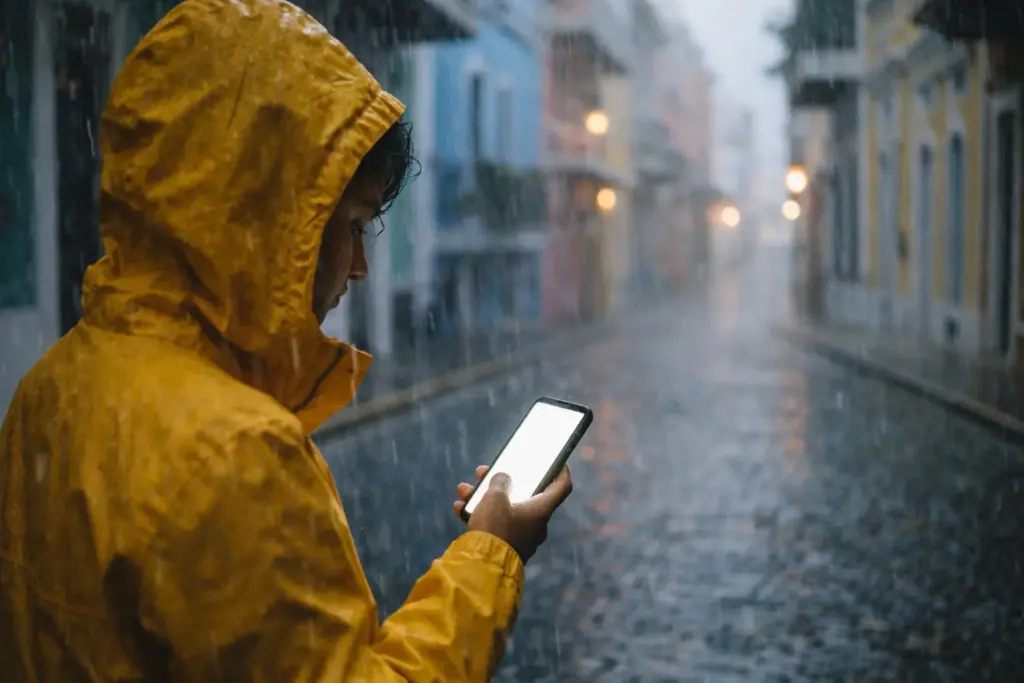
Weather dictates everything from flight schedules to beach access. When you accidentally book during the worst time to travel Puerto Rico, your carefully planned itinerary can quickly fall apart. Understanding these specific travel disruptions helps you set realistic expectations and build necessary buffers into your schedule.
How Rainy Season Affects Travel
Effective itineraries prioritize morning activities before predictable 2:00 PM tropical inundaciones halt all urban logistics.
Rain in the Caribbean rarely means a gentle all-day drizzle. Instead, you get violent, intense downpours that last 30 to 90 minutes, usually in the late afternoon. Streets in San Juan can flood temporarily, halting traffic and forcing pedestrians indoors. (Yes, really—don’t underestimate a 20-minute storm).
The Inundaciones Repentinas (Flash Floods)
These sudden floods are a specific local pain. Even 20 minutes of rain can turn a street in Santurce into a river. If you’re driving a low-clearance sedan during the worst time to travel Puerto Rico, you risk hydro-locking your engine in deep puddles.
Temperature Extremes and Tourist Comfort
August brings heat that feels physically heavy. Actual temperatures might read 92°F, but the heat index frequently hits 105°F to 110°F. Hiking the trails in the El Yunque National Forest under these conditions without carrying at least 2 to 3 liters of water per person is dangerous. Air conditioning isn’t a luxury during these months; it is an absolute survival requirement for getting any sleep, provided the LUMA grid stays online. It is often cited as the worst time to travel Puerto Rico for those with low heat tolerance.
Weather-Related Travel Disruptions
Storms don’t just ruin beach days; they destroy logistics. Ferry services from Ceiba to Vieques and Culebra, operated by HMS Ferries, routinely suspend operations when wind gusts surpass 25 mph. “The peak of the Atlantic hurricane season consistently falls between mid-August and late October, requiring travelers to maintain high situational awareness,” notes Dr. Philip Klotzbach, Meteorologist at Colorado State University (2025). If you get stuck on a smaller island during a ferry suspension, you might be paying $150+ for an emergency puddle-jumper flight.
Rainfall is a minor inconvenience; total infrastructure failure defines the worst time to travel Puerto Rico.
Worst Times to Travel Based on Popular Opinion
Public consensus often reveals the hard truths that brochures actively hide. Many people visit the worst time to travel Puerto Rico reddit threads to find out which months caused the most vacation nightmares regarding the smell of rotting seaweed or power outages. Let’s look at what actual visitors consider the absolute worst periods to book a ticket.
Insights from the “Worst Time to Travel Puerto Rico Reddit” Discussions
If you dive into the worst time to travel Puerto Rico reddit threads, a clear pattern emerges. Users consistently complain about late August and September. They aren’t just whining about rain; they cite oppressive humidity, aggressive mosquitoes (Zika and Dengue risks), and anxiety over monitoring hurricane tracker apps like Windy or the NHC site. Many mention losing non-refundable deposits ranging from $300 to $800 because they canceled out of fear before airlines issued official weather waivers. Searching for the worst time to travel Puerto Rico reddit threads provides a raw look at the logistical chaos of storm season.
Common Complaints and Challenges
To fully grasp what travelers hate most, we have to compare the seasons directly. Not all bad weather is created equal, and searching through the worst time to travel Puerto Rico reddit archives shows that price and “Sargassum stank” are often as big a “bad time” factor as rain.
| Travel Period | Average Cost | Primary Tourist Complaint | Risk Level (2026) |
| Mid-August to September | $120 – $200/night | Hurricane anxiety, LUMA outages, and Sahara Dust. | High |
| Late June to July | $250 – $400/night | Extreme Sahara Dust (Calima) affecting respiratory health. | Medium |
| May to June | $180 – $280/night | Massive Sargassum blooms (seaweed) on East Coast beaches. | Medium |
| Late April (Spring Break) | $300 – $500/night | Overcrowding and 2-hour waits for simple beach parking. | Low |
This table clearly shows why late summer takes the crown for the toughest time to visit.
Strategies for Avoiding Peak Travel Problems
You can bypass the worst elements of island travel if you apply some defensive planning.
- Monitor LUMA Status: Use the LUMA “Outage Map” website to check if your target neighborhood has frequent power drops.
- Sargassum Trackers: Use satellite imagery apps to see if the seaweed is hitting the specific beach where you booked your hotel.
- Book Morning Excursions: Schedule all outdoor activities between 8:00 AM and 12:00 PM to dodge the predictable 2:00 PM thunderstorms.
- Check AAA Water Alerts: Ensure your Airbnb has a “Cisterna” (water tank) in case the municipal supply is cut off.
- Identify Backup Indoor Spots: Map out the Museo de Arte de Puerto Rico (MAPR) as a rainy-day refuge.
Alternatives to Avoid the Worst Travel Periods
You don’t have to settle for terrible weather or massive crowds. By selecting the right window, you can avoid what most call the worst time to travel Puerto Rico and find a balance of sun, clean air, and savings. Here are the precise alternatives that savvy travelers use to bypass the chaos.
Choosing the Best Off-Peak Times
Avoid July’s Sahara Calima; prioritize the mid-April shoulder season for peak air quality and water clarity. Traveling between mid-April (after the Easter rush) and early June drops your exposure to major storms to near zero.
According to Discover Puerto Rico (2024, San Juan), hotel occupancy dips slightly before the summer rush, forcing resorts to offer aggressive discounts. You can secure four-star accommodations for roughly $220 to $270 a night, saving you hundreds over a week-long stay.
Benefits of Traveling During Shoulder Seasons
Shoulder seasons (April-May and November-mid-December) offer incredible advantages.
- Cleaner Air: You miss the heavy Sahara Dust plumes that arrive in the peak summer heat.
- Quiet Beaches: You won’t have to fight for a spot on the sand at popular spots like Luquillo Beach.
- Better Infrastructure: The LUMA grid is under less stress from air conditioning usage, meaning fewer “brownouts.”
- Optimal Ocean Conditions: The water visibility is usually crystal clear, perfect for snorkeling before the summer Sargassum arrives. It’s truly the anti-thesis of the worst time to travel Puerto Rico.
Choosing a safer shoulder season ensures you can focus on engaging family activities in the tropics without worrying about sudden storm evacuations or extreme heat.
Planning for Flexible Itineraries
Locking yourself into a rigid schedule is a rookie mistake in the Caribbean. Flexibility is your best asset. Over-booking excursions is effective for maximizing experiences if the project is at the mid-winter peak travel stage. However, in the context of late summer, which is the worst time to travel Puerto Rico, this may not work. You need to leave at least two open days in a seven-day itinerary so you can shuffle beach days based on the morning radar.
Traditional weather apps fail; 2026 travelers must monitor NHC trajectories and LUMA live outage maps.
Travel Tips for Visiting During Less Ideal Times
Sometimes you have no choice but to travel during the difficult months. If your schedule forces you into the rainy or hurricane season, preparation is your only defense. Let’s explore practical tactics to salvage a trip when conditions look bleak.
Packing Essentials for Weather Variability
You can’t just throw swimsuits into a bag and hope for the best. If you read the worst time to travel Puerto Rico reddit tips, you’ll know that high-quality gear is what separates a good trip from a miserable one.
- N95 Masks: Essential for days when Sahara Dust (Calima) levels are high.
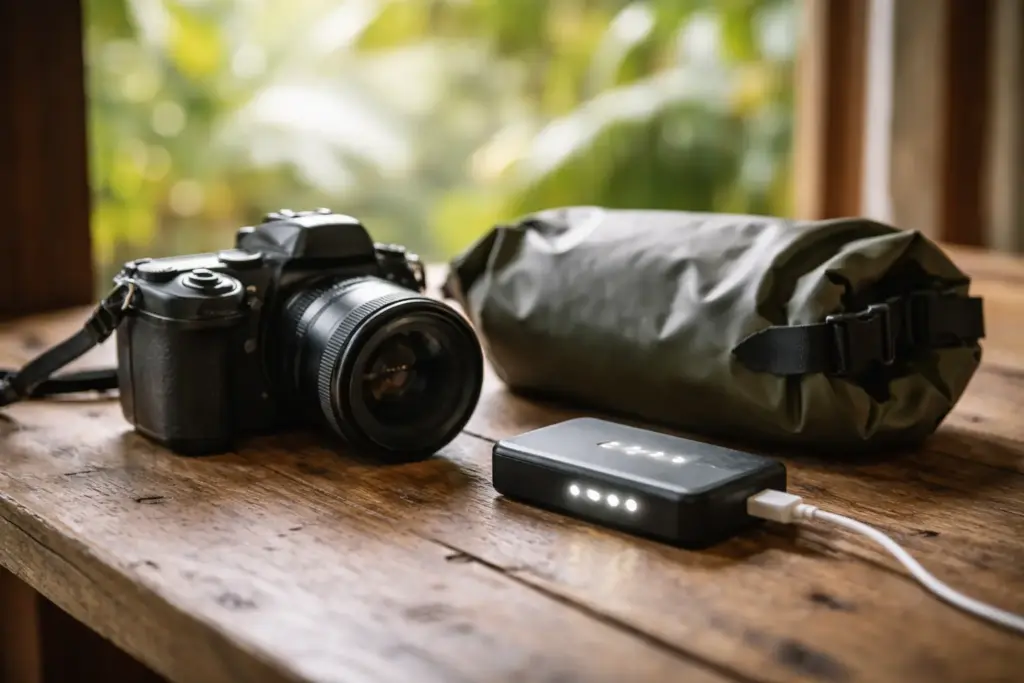
- Dry Bags: Bring 10L to 20L waterproof dry bags to protect your electronics from sudden inundaciones.
- Quality Rain Shell: Forget cheap ponchos; bring a breathable, unlined rain jacket with pit-zips.
- Reef-Safe Sunscreen: Even on cloudy days, the UV index hits 10 or 11.
- High-Capacity Power Bank: A 20,000mAh battery pack is crucial for surviving LUMA grid failures.
Booking Accommodations and Flights Strategically
When traveling in September, never book basic economy flight tickets. You need the ability to change dates without paying exorbitant fees. Aim to book boutique hotels that strictly advertise “Full Power Backup Generators” and “Dedicated Water Cisterns.” (Yes, really—ask the host explicitly about LUMA backup before hitting the reserve button). This ensures you have air conditioning and running water even if the municipal grid goes down for 48 hours. This is the only way to endure the worst time to travel Puerto Rico.
Activities to Enjoy Despite Bad Weather
A little rain doesn’t mean your day is over. “While September brings statistical risks, it also offers the most authentic local experiences unburdened by overwhelming crowds,” says Brad Dean, CEO of Discover Puerto Rico. Even in the worst time to travel Puerto Rico, you can tour the Casa Bacardí rum distillery, explore the Museo de Arte de Ponce, or spend hours sampling local coffee in the mountain cafes of Jayuya.
Local Events and Festivals to Consider
Bad weather does not stop the island’s vibrant cultural life. Even during the wettest months, locals celebrate with massive festivals and historic events. Knowing which celebrations occur during these times can turn a rainy trip into an unforgettable cultural immersion.
Major Events During the Rainy Season
Summer in Puerto Rico is packed with patron saint festivals (Fiestas Patronales). These events happen in town squares across the island, featuring live salsa music, carnival rides, and incredible street food. If you are there in late June, the Noche de San Juan involves locals walking backward into the ocean at midnight to ward off bad luck. It is chaotic, wet, and absolutely thrilling.
Cultural Experiences Worth Braving the Weather
Is it worth getting a little wet to see authentic culture? Absolutely. According to the US Travel Association (2024, Washington D.C.), cultural heritage tourism accounts for nearly 30% of visitor spending. Spending a rainy Friday evening at La Placita de Santurce guarantees you will hear the best live music of your life, even if you are visiting during the worst time to travel Puerto Rico.
Insider Tips for Festival Attendance
Don’t just show up to a local festival expecting a highly sanitized tourist experience.
- Carry Cash: Many food kiosks and artisans do not accept credit cards. Bring $50 in small bills.
- Watch SNN Alerts: Sign up for the “Sistema de Notificación de Emergencias” for localized weather and safety alerts during festivals.
- Dress Appropriately: Leave the expensive designer shoes at the hotel; streets get muddy.
- Park Far Away: Traffic near festival centers gridlocks easily. Park a mile away and walk.
Long-Term Travel Planning and Resources
Guesswork is the enemy of a successful Caribbean vacation. Relying on accurate, real-time data ensures you stay ahead of incoming storms or sudden closures. These are the exact tools and resources you need for vigilant trip monitoring.
Tools for Monitoring Weather and Travel Alerts
Your default phone weather app will not cut it in the tropics. You need specialized tools to track radar sweeps and storm formations.
Watch this essential update on Puerto Rico’s logistical challenges and safety protocols to ensure your 2026 itinerary remains resilient against sudden environmental shifts.
Staying Informed with Local News and Updates
Do not rely solely on major US news networks for island updates; they often sensationalize storms. Instead, bookmark local English-language outlets or follow the worst time to travel Puerto Rico reddit community for real-time ground reports from residents regarding LUMA outages. Subscribing to daily newsletters like “The Weekly Journal” is effective for general awareness if the project is at the early research stage. However, in the context of an actively forming hurricane, this may not work as well as live radio feeds.
Useful Travel Apps and Websites for Puerto Rico
Download the NHC (National Hurricane Center) app for direct storm trajectory maps. Use the Windy app for granular, hour-by-hour wind and rain forecasts. Finally, always keep the LUMA Energy “Outage Map” bookmarked to see if the power is out at your Airbnb. Being armed with the right data is the only way to navigate the worst time to travel Puerto Rico safely.
FAQ
Is it safe to visit Puerto Rico in September?
September discounts entice budget travelers, but unstable energy grids turn cheap stays into dark, humid blackouts. Yes, but since this is statistically the worst time to travel Puerto Rico, you must purchase CFAR travel insurance and book stays with industrial-grade generators.
Does it rain all day during the wet season?
No, unless a named tropical system is passing directly over the island, in which case it can rain continuously for two days.
Will excursions be open in August?
Yes, but operators may cancel morning trips abruptly if wave heights or Sargassum levels make ocean travel hazardous.
Is it cheaper to travel during hurricane season?
Yes, but searching the worst time to travel Puerto Rico reddit will show you that the money saved on hotels might be offset by canceled plans and emergency flight changes.
Do restaurants close during the off-season?
No, unless they are located in highly remote tourist-dependent areas that shut down for maintenance during the worst time to travel Puerto Rico.
Navigating the worst time to travel Puerto Rico requires balancing budget savings against infrastructure risks. By avoiding the peak hurricane and sargassum surges of September and July, you ensure a safer, more reliable Caribbean escape. Plan strategically, monitor local grids, and choose shoulder seasons for the ultimate island experience.
So, are you ready to brave the shoulder season to score those massive discounts, or will you stick to the safe, expensive winter months?
Sources
- NOAA (2025, Miami, FL) – 2025 Atlantic Hurricane Season Activity Report
- Discover Puerto Rico (2024, San Juan) – Annual Tourism and Occupancy Metrics
- U.S. Travel Association (2024, Washington D.C.) – Economic Impact of Travel Report
- Dr. Philip Klotzbach, Colorado State University (2025) – Hurricane Seasonal Forecasting