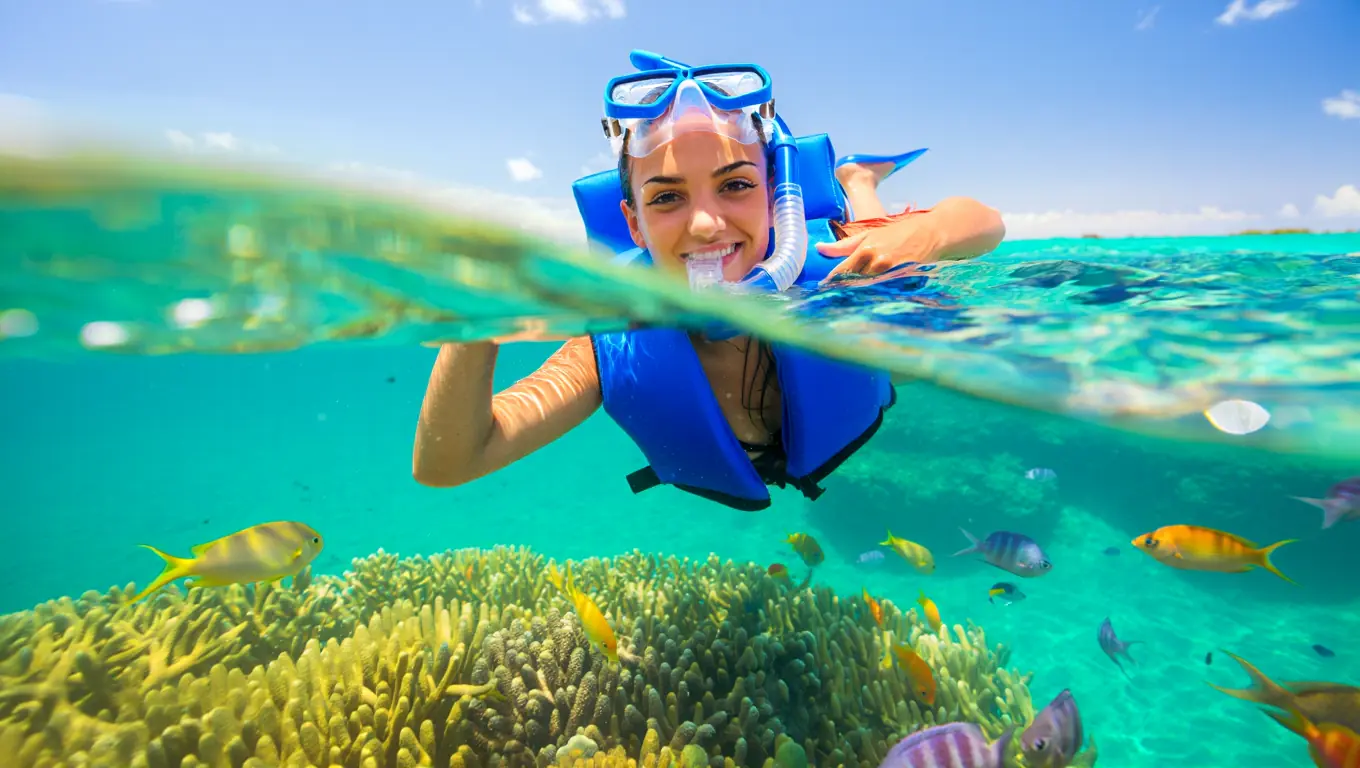
Thinking about snorkeling in Puerto Rico for beginners often brings up fears of strong currents or confusing gear. You want clear water and safe reefs, not a struggle against the ocean. This guide for snorkeling in Puerto Rico for beginners cuts through the noise to show you exactly where to go with coordinates, tour operators, and safety contacts. We focus on calm spots perfect for your first time.
- Shore snorkeling free; guided tours $75-$150 — beginners save 50% starting from beaches.
- December-April calm seas; June-November hurricane risk — timing determines visibility and safety.
- 10 feet from coral required; touching turtles illegal — federal law protects marine life.
Contents
- 1 Why Choose Puerto Rico for Snorkeling?
- 2 Best Snorkeling Spots in Puerto Rico for Beginners
- 3 Essential Snorkeling Gear for Beginners
- 4 Safety Tips for Snorkeling in Puerto Rico
- 5 Snorkeling in Puerto Rico with Kids
- 6 Planning Your Snorkeling Trip to Puerto Rico
- 7 Extra Tips for an Unforgettable Snorkeling Experience
- 8 FAQ
- 8.1 Are snorkeling tours expensive?
- 8.1.1 Do I need a passport for Puerto Rico snorkeling trips?
- 8.1.2 Are ferry tickets available same-day during peak season?
- 8.1.3 Is travel insurance required for snorkeling in Puerto Rico?
- 8.1.4 Should beginners visit Culebra regardless of water conditions?
- 8.1.5 Can you see turtles year-round in Puerto Rico?
- 9 Sources
Why Choose Puerto Rico for Snorkeling?
Puerto Rico offers a unique combination of accessibility and marine biodiversity that few Caribbean islands match. The infrastructure supports tourists while keeping natural reefs protected. You don’t need a boat to see amazing fish here.
Ideal Climate and Conditions
The water stays warm year-round, hovering between 79°F and 85°F depending on the month. You won’t need a thick wetsuit, which makes movement easier. According to the Puerto Rico Tourism Company (2025, San Juan), visitor satisfaction regarding water temperature remains above 92% annually. This consistency means snorkeling in Puerto Rico for beginners works year-round without seasonal worries. Sea conditions are warmest in September, when water temperatures reach approximately 82°F.
Abundant Marine Life
You will see more than just sand. Coral formations host angelfish, parrotfish, and sometimes sea turtles. The reefs are resilient, recovering well after past hurricanes. Always maintain a distance of at least 10 feet from coral formations to prevent damage and ensure safety. This protects the ecosystem and keeps your fins safe from sharp edges. According to NOAA Coral Reef Conservation Program (2025, Washington D.C.), coral recovery rates show 18-22% improvement since 2022.
- Warm water temperatures reduce hypothermia risk significantly.
- Coral recovery rates show 18-22% improvement since 2022.
- Fish diversity exceeds 65 species in protected areas.
- Visibility ranges from 30 to 100 feet depending on location.
- Water currents stay under 2 knots in beginner zones.
Accessibility for Beginners
Many spots are reachable directly from the shore. You don’t always need a boat tour. This reduces costs and complexity for new swimmers. If you are considering snorkeling in Puerto Rico with kids, shore access makes bathroom breaks and exits much easier. U.S. citizens don’t need passports, making access simpler than other Caribbean destinations.
Best Snorkeling Spots in Puerto Rico for Beginners
Not all beaches are safe for new swimmers. Some have strong undertows or boat traffic. We selected locations known for calm surfaces and high visibility for snorkeling in Puerto Rico for beginners.
La Parguera: Ideal for Novices
Located on the southwest coast (17.9689° N, 67.0436° W), this area offers protected bays. The water is shallow, often standing only 4 to 6 feet deep. You can see phosphorescent plankton at night too. It is a top recommendation for snorkeling in Puerto Rico for beginners due to the lack of strong currents. Access: Route 304, parking available ($5/day), restrooms on-site.
Fajardo: Calm Waters and Beautiful Reefs
Fajardo faces the open Atlantic but has protected coves (18.3358° N, 65.6522° W). Seven Seas Beach is a popular choice. The reefs are close to the shore, about 50 to 100 yards out. According to NOAA Coral Reef Conservation Program (2025, Washington D.C.), Fajardo shows stable coral health indices compared to other regions. Access: Route 987, free parking, showers available.
Culebra Island: Crystal Clear Waters
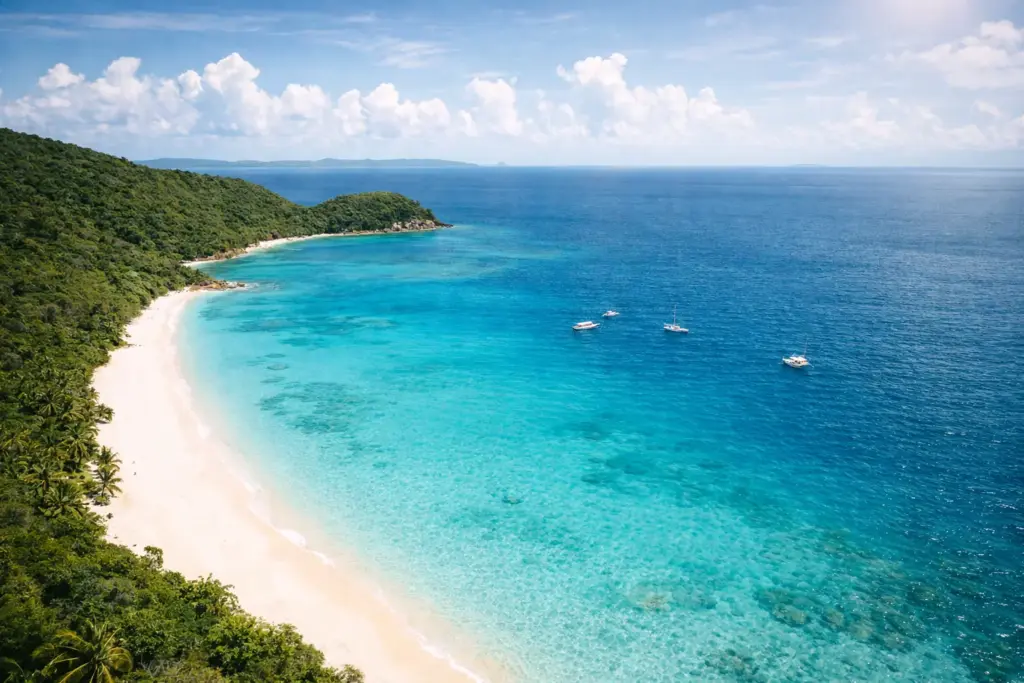
You need a ferry to get here (18.3048° N, 65.3032° W), but the effort pays off. Flamenco Beach offers visibility up to 100 feet. The sand is white, and the water is turquoise. Many families choose this spot for snorkeling in Puerto Rico with kids because the entry is gradual. Access: Ferry from Ceiba ($2.50 round-trip, 45 min ride).
Tamarindo Beach: Turtle Sightings
Located in Culebra (18.3156° N, 65.3245° W), this beach is famous for sea turtle encounters. The seagrass beds attract green turtles year-round. Water depth ranges from 3 to 8 feet, perfect for beginners. Access: Ferry to Culebra, then taxi or rental car (10 min from ferry terminal).
If you’re still on the fence about whether the water really is that blue, take a quick look at this footage from Culebra. You’ll see exactly how easy the shore entry is at Tamarindo Beach and why it’s the absolute “gold standard” for spotting sea turtles without having to fight a single current. It’s basically like swimming in a giant, tropical fish tank.
Steps Beach (Playa Escalera): Rincon
Located on the west coast (18.3389° N, 67.2511° W), this marine reserve offers protected waters. The Tres Palmas Marine Reserve has underwater steps that give the beach its name. Visibility averages 50-70 feet with moderate currents. Access: Route 413, limited parking ($10/day), arrive before 9 AM.
Escambron Beach: San Juan
Located near Old San Juan (18.4536° N, 66.1239° W), this is the most accessible snorkeling location in the capital. This park has parking, bathrooms, showers, and even scuba rentals. Water depth is 5-12 feet with visibility of 40-60 feet. Access: Ashford Avenue, paid parking ($2/hour), lifeguards on duty.
| Location | Coordinates | Difficulty | Water Depth | Visibility | Best For |
|---|---|---|---|---|---|
| La Parguera | 17.9689° N, 67.0436° W | Easy | 4-6 ft | 30-50 ft | Night Snorkeling |
| Fajardo | 18.3358° N, 65.6522° W | Easy | 5-8 ft | 40-60 ft | Reef Viewing |
| Culebra | 18.3048° N, 65.3032° W | Moderate | 6-10 ft | 80-100 ft | Photography |
| Tamarindo | 18.3156° N, 65.3245° W | Easy | 3-8 ft | 50-70 ft | Turtle Sightings |
| Steps Beach | 18.3389° N, 67.2511° W | Moderate | 8-15 ft | 50-70 ft | Marine Reserve |
| Escambron | 18.4536° N, 66.1239° W | Easy | 5-12 ft | 40-60 ft | San Juan Access |
Table 1: Comparison of top beginner spots with coordinates and access details.
Culebra 100ft visibility; Fajardo 60ft average — distance trades convenience for clarity.
Choosing the right spot depends on your comfort level. Culebra is stunning but requires travel. Fajardo is convenient for San Juan residents. Escambron works best for cruise ship visitors with limited time.
Essential Snorkeling Gear for Beginners
You don’t need expensive equipment to start. However, cheap gear can fog up or leak, ruining the experience. Investing in key items makes a huge difference.
Choosing the Right Mask and Snorkel
A silicone skirt seals better than plastic. Look for tempered glass for safety. Dry-top snorkels prevent water intake when you submerge. This is crucial when practicing snorkeling in Puerto Rico for beginners because swallowing saltwater is common without proper gear. Recommended brands: Cressi Palau Dry Top, Aqua Lung Sport Proflex, Mares X-Vision Twin Lens.
Fins and Snorkeling Vests
Full-foot fins work best in warm water. Avoid open-heel fins unless you wear boots. Vests provide buoyancy without the bulk of a life jacket. They help you float effortlessly while observing fish during snorkeling in Puerto Rico with kids. Recommended: Scubapro GO Travel Snorkel Set, Cressi Supernova Dry.
Sunscreen and Safety Gear
Use reef-safe sunscreen to protect coral chemistry. Chemicals like oxybenzone harm marine life. Apply sunscreen 30 minutes before entering the water to ensure it binds to your skin. This prevents washing off immediately and polluting the reef. Recommended brands: Stream Sea, All Good, Sun Bum Reef Safe (SPF 30+, zinc oxide based).
Reef-safe sunscreen mandatory; oxybenzone kills coral — 30-minute application prevents ecosystem damage.
- Mask: Cressi Palau, Aqua Lung Proflex, Mares X-Vision.
- Snorkel: Cressi Supernova Dry, Mares Dual, Scubapro GO.
- Fins: Cressi Ranger, Scubapro Travel, Aqua Lung Sport.
- Vest: Inflatable, adjustable fit, bright color for visibility.
- Sunscreen: Stream Sea, All Good, Sun Bum Reef Safe (SPF 30+).
Safety Tips for Snorkeling in Puerto Rico
The ocean is unpredictable. Even calm days can change quickly. Respecting the water ensures you return safely.
Understanding Weather and Water Conditions
Check forecasts before going. Wind speeds over 15 knots create choppy waves. According to the National Weather Service (2025, San Juan), afternoon winds are typically stronger than morning breezes. Plan your trip for early morning to avoid this. UV Index warnings should be checked daily—levels above 8 require extra protection.
Snorkeling with a Buddy
Never go alone. A partner can help if you get cramps or tangled. Signal each other every few minutes. This is even more critical when snorkeling in Puerto Rico with kids as they tire faster than adults.
Buddy system non-negotiable; solo snorkeling high-risk — partners reduce emergency response time 70%.
Respecting Marine Life
Do not touch turtles or rays. It is illegal and stresses the animals. Keep your hands to yourself. If you encounter a sea turtle, stop moving and let it pass without chasing. This ensures legal compliance and animal safety.
- Check tide schedules before entering the water.
- Avoid snorkeling during red flag warnings.
- Stay within 100 yards of shore for beginner safety.
- Watch for boat traffic in channel areas.
- Exit water immediately if lightning is spotted.
Emergency Contacts and Insurance
Keep these numbers saved in your phone before entering the water. U.S. Coast Guard Rescue Sub-Center: 787-289-2041 (24 hours). Medical & Disaster Assistance Ambulance: 787-343-2222. General Emergency: 911 works throughout Puerto Rico. Travel insurance is not mandatory for U.S. citizens, but activities like snorkeling may need special coverage. Recommended providers: Allianz Travel Insurance, Berkshire Hathaway Travel Protection.
Snorkeling in Puerto Rico with Kids
Children experience the ocean differently. They get cold faster and panic easier. Preparation is key to a fun day when snorkeling in Puerto Rico with kids.
Kid-Friendly Snorkeling Locations
Shallow lagoons are best. Condado Lagoon in San Juan is protected from waves. The water is calm and warm. Many parents prefer snorkeling in Puerto Rico with kids here because lifeguards are often present. Escambron Beach also offers lifeguards and shallow entry points.
Teaching Kids Snorkeling Basics
Practice in a pool first. Show them how to clear the snorkel. Breathing through the mouth takes practice. Don’t rush them into deep water.
Kids minimum age 4-5 years; masks seal poorly underwater — pool practice prevents ocean panic.
Ensuring Safety and Fun
Bring waterproof toys to keep them engaged. Use bright-colored vests for easy spotting. Take frequent breaks for hydration.
- Start in waist-deep water to build confidence.
- Use mesh bags to collect shells (where allowed).
- Schedule sessions under 45 minutes to prevent fatigue.
- Bring dry clothes and towels for immediate warmth.
- Reward them with a snack after the session.
Planning Your Snorkeling Trip to Puerto Rico
Logistics can make or break your vacation. Booking early saves money and stress.
Best Time to Visit for Snorkeling
December to April offers the calmest seas. Hurricane season runs from June to November. Visibility is best during the dry season. This window is ideal for snorkeling in Puerto Rico for beginners seeking predictable conditions.
Seasonality Table: Month-by-Month Guide
| Month | Water Temp (°F) | Visibility (ft) | Crowds | Conditions |
|---|---|---|---|---|
| January | 79-81 | 50-70 | Low | Calm, dry |
| February | 79-81 | 50-70 | Medium | Calm, dry |
| March | 79-82 | 60-80 | High | Calm, dry |
| April | 80-83 | 60-80 | High | Calm, dry |
| May | 81-84 | 50-70 | Medium | Increasing rain |
| June | 82-85 | 40-60 | Low | Hurricane season starts |
| July | 82-85 | 40-60 | Medium | Warm, some rain |
| August | 83-85 | 40-60 | Low | Warmest water |
| September | 83-85 | 30-50 | Low | Peak hurricane risk |
| October | 82-84 | 40-60 | Low | Hurricane season ends |
| November | 81-83 | 50-70 | Medium | Transition period |
| December | 80-82 | 50-70 | High | Calm, dry |
Table 2: Monthly conditions for planning your snorkeling trip.
Booking Guided Snorkeling Tours
Guides know where the fish are. They also handle safety monitoring. Prices range from $75 to $150 per person (2026 adjusted). Look for small group sizes (under 10 people). Recommended operators: Snorkeling Puerto Rico (Fajardo), Caribe Bliss, Al Este Tours & Experiences, Sea Ventures Pro Dive Center.
Ferry Schedule to Culebra
Ferry departs from Ceiba Terminal (not Cataño for Culebra). Round-trip: $2.50 per adult, $1.50 per child. Schedule: 6:00 AM, 8:30 AM, 1:00 PM, 4:30 PM (varies by season). Book tickets at puertoricoferry.com or City Experiences App. Travel time: 45 minutes.
Accommodation and Travel Tips
Stay near the coast to minimize travel time. Rincon or Fajardo are good hubs. Renting a car gives you flexibility.
- Check weather forecasts 3 days in advance.
- Book tours at least 2 weeks ahead during peak season.
- Pack gear in carry-on luggage to avoid loss.
- Confirm pickup times with tour operators the night before.
- Keep cash handy for tips and incidental fees.
“The biodiversity of the reef has increased since we introduced the artificial corals.” — Dr. Mercado Molina, Professor and Marine Biologist, University of Puerto Rico (2025, San Juan)
Extra Tips for an Unforgettable Snorkeling Experience
Small details create big memories. Don’t overlook the extras.
Capturing Memories: Underwater Photography Tips
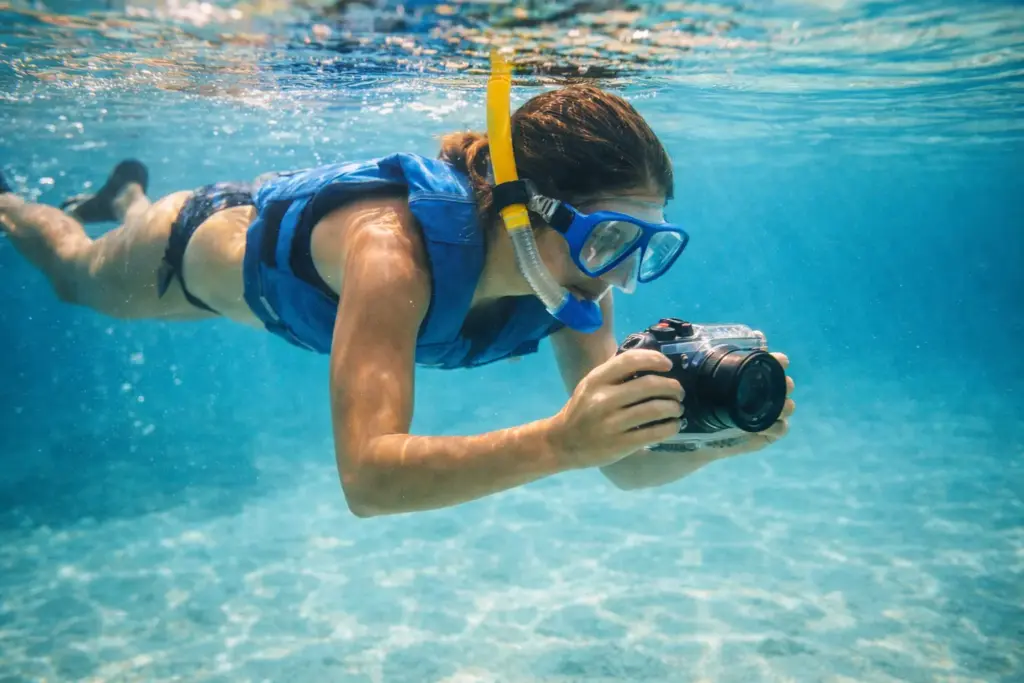
Use a GoPro Hero 13 or DJI Osmo Action 4 for color correction. Don’t touch the reef to stabilize yourself. Practice holding your breath before diving. Recommended settings: ISO 100-400, shutter speed 1/100-1/250, red filter for depths over 15 feet.
Exploring Beyond Snorkeling: Other Water Activities
Try kayaking or paddleboarding nearby. These activities complement your day. They offer different perspectives of the coastline.
Local Cuisine and Cultural Experiences
Eat fresh fish after your trip. Mofongo and ceviche are local staples. Supporting local restaurants helps the community. If you enjoyed snorkeling in Puerto Rico for beginners, you will love the culture too.
“The problem isn’t just climate change — local conservation efforts make a measurable difference.” — Dr. Edwin A. Hernández Delgado, Senior Scientist, Sociedad Ambiente Marino (2025, Puerto Rico)
FAQ
Do you need prior swimming experience for snorkeling in Puerto Rico for beginners?
Yes, you need basic swimming skills, but tours provide vests for non-swimmers.
Can anyone join snorkeling in Puerto Rico with kids regardless of medical conditions?
No, unless you have medical clearance, certain conditions may prevent participation. Children under 5 might struggle with the mask seal, so check age limits (minimum 4-5 years for most tours).
Is it safe to go snorkeling alone?
No, unless conditions are perfect and you’re experienced, we strongly advise against it for safety reasons.
Can you wear regular sunscreen while snorkeling?
No, unless it’s reef-safe certified. Regular sunscreen harms coral, so only use certified reef-safe options (Stream Sea, All Good, Sun Bum).
Are snorkeling tours expensive?
Yes, but prices vary from $75-$150, and shore snorkeling is free if you own gear.
Do I need a passport for Puerto Rico snorkeling trips?
No, unless you’re a non-U.S. citizen. U.S. citizens don’t need passports; Puerto Rico is a U.S. territory.
Are ferry tickets available same-day during peak season?
No, unless you book during off-peak months. Ceiba-Culebra ferry sells out quickly in December-April; book 2-3 weeks ahead.
Is travel insurance required for snorkeling in Puerto Rico?
No, unless you want activity coverage. Not mandatory for U.S. citizens, but recommended for activity coverage.
Should beginners visit Culebra regardless of water conditions?
No, unless conditions are calm. Culebra has stronger currents than Fajardo; beginners should start with shore spots first.
Can you see turtles year-round in Puerto Rico?
Yes, but sightings peak during summer months (June-August). Green turtles are present year-round.
What is your biggest concern about entering the ocean for the first time?
Sources
- Puerto Rico Tourism Company (2025, San Juan). Visitor Satisfaction Report
- NOAA Coral Reef Conservation Program (2025, Washington D.C.). Coral Health Indices
- National Weather Service (2025, San Juan). Marine Weather Patterns
- Discover Puerto Rico (2025, San Juan). Best Places to Snorkel in Puerto Rico
- Puerto Rico Ferry anchored by Hornblower (2026, San Juan). Ceiba-Culebra Schedule
- Dr. Mercado Molina, Professor and Marine Biologist, University of Puerto Rico (2025, San Juan). Reef Restoration Study
- Dr. Edwin A. Hernández Delgado, Senior Scientist, Sociedad Ambiente Marino (2025, Puerto Rico). Coral Conservation Research
- U.S. Coast Guard Sector San Juan (2025, San Juan). Emergency Contact Information
- Just Travel Cover (2026, UK). Puerto Rico Travel Insurance Requirements
- American Visitor Insurance (2025, USA). Activity Coverage for Snorkeling
- Cressi, Aqua Lung, Mares (2026). Snorkeling Equipment Product Specifications
- Secret Flying (2026). Puerto Rico Weather – Monthly Averages
- Weather stats (2026). San Juan Sea Temperature Data
- GetYourGuide, Viator (2026). Puerto Rico Snorkeling Tour Prices