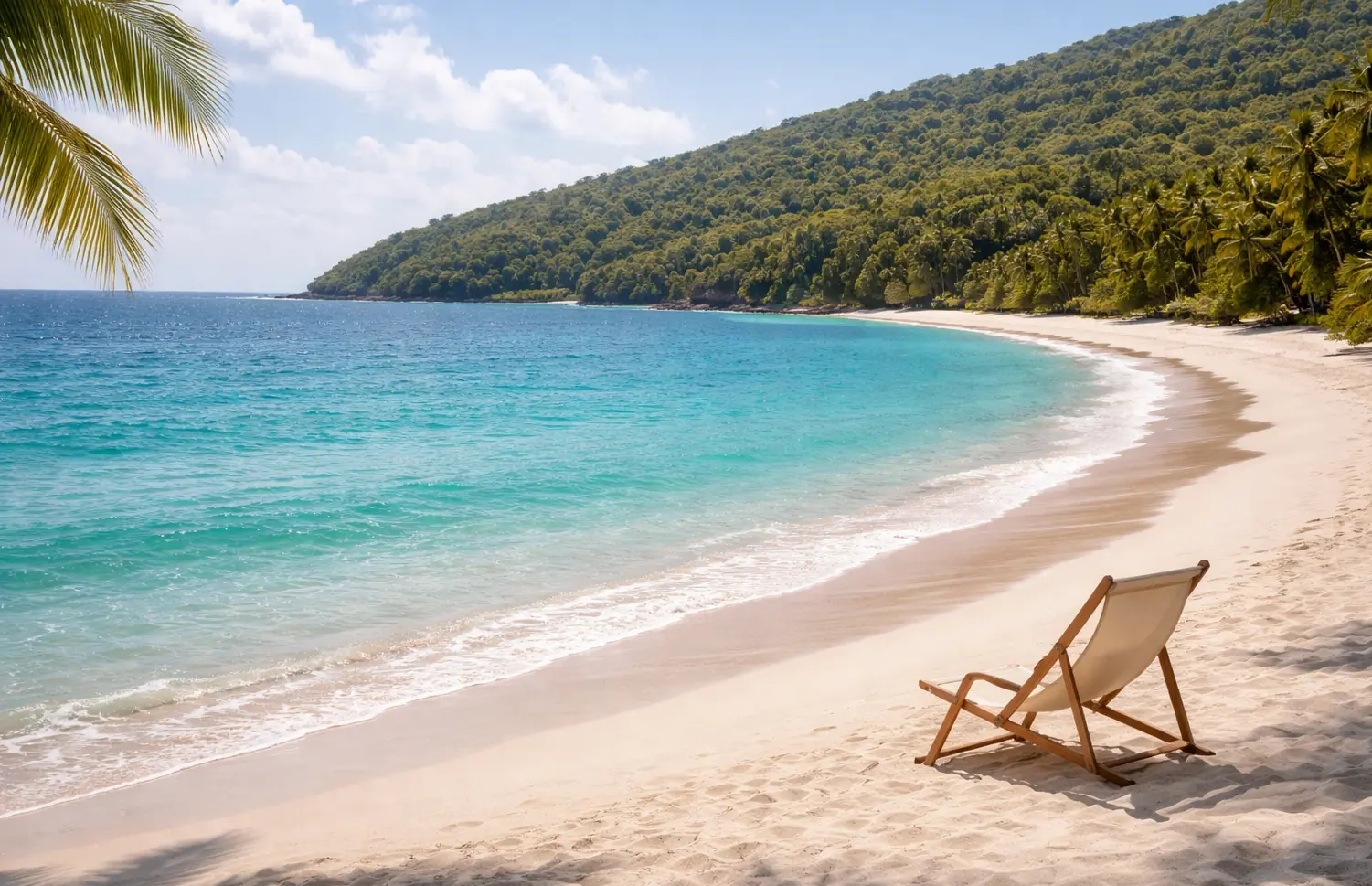
Looking for the absolute best Puerto Rico beaches? You aren’t alone. Choosing the right spot out of 300 miles of coastline usually leaves travelers paralyzed by options. Most people just default to the crowded tourist traps right outside the airport. We won’t let you do that. Here is a breakdown of exactly where you should drop your towel, backed by real-time marine data, whether you want 2-foot wading pools for toddlers or 8-foot monster swells for surfing.
- Puerto Rico beach selection is not a search for sand but a navigation of micro-climate zones.
- Northern shores dictate Atlantic swell intensity; southern coasts guarantee Caribbean shelf stability.
- Swim safety is defined by NWS Rip Current Protocols, not by visual water surface clarity.
Contents
Understanding the Coastline
Figuring out the island’s geography and eco-safety protocols is your first real hurdle. The Atlantic waters differ wildly from the Caribbean side, and ignoring local marine forecasts is a massive mistake. You can’t just pick a random spot and expect glassy perfection. Let’s break down the regional differences so you don’t waste gas driving to the wrong shore.
North Coast Vibes
The northern shore borders the Atlantic Ocean. That means you’ll consistently see heavier surf and stronger undercurrents. Water temperatures hover between 78°F and 82°F year-round, but the wave action dictates your daily plans. Targeting the northern swell is effective for adventure projects if the project is at the active execution stage. However, in the context of traveling with inexperienced swimmers, this may not work. You really need to check the National Weather Service (NWS) San Juan Marine Forecast and understand local Rip Currents Safety Protocols before getting out of your rental car.
- Blue Flag standards: Beach quality metrics prioritize Blue Flag international certification over subjective aesthetic cleanliness.
- Deep blue water clarity: Visibility often ranges from 15 to 30 feet, making it decent for cautious snorkeling on calm days.
- High wind exposure: Consistent breezes blowing between 15 to 25 knots make northern municipal borders perfect for kite surfing.
- Urban proximity: You aren’t far from civilization, meaning you’ll easily find food trucks selling $4 to $8 local provisions.
Waves here range from 3 to 10 feet depending on winter swells. (Why risk a bad beach day?) Stick to protected coves like Mar Chiquita if you actually want to swim. According to a recent visitor profile study by the Puerto Rico Statistics Institute (2024, San Juan, Puerto Rico), 66% of all visitors stay in the Metro region, heavily utilizing these northern shores for daily recreation.
Here is an excellent visual breakdown of the top coastal spots you should definitely check out before booking your flight.
West Coast Surfing Spots
Surfers typically flock to the west coast for specific, world-renowned surf breaks like Maria’s Beach and Domes. Swells consistently hit 4 to 12 feet from November through March. You won’t find better wave action anywhere else in the Caribbean basin. Forget generic descriptions of beautiful sunsets; photographers come here specifically to capture Atmospheric Refraction Metrics during the 15-minute golden hour window. Summer months drop the wave height down to a manageable 1 to 3 feet, transforming the area into a paddleboarder’s paradise. Board rentals run from $25 to $40 per day.
“The integration of eco-tourism and active marine sports has fundamentally shifted how visitors interact with our western coastline. They aren’t just looking for sand; they are tracking specific wave metrics.” – Brad Dean, CEO of Discover Puerto Rico.
You’ll find a heavy bohemian vibe here, complete with organic cafes and evening art walks. Just keep in mind that driving from San Juan takes 2.5 to 3 hours, and you’ll easily burn $40 to $60 on gas.

Planning Your Trip
Nailing down your logistics will save you hundreds of dollars. You need a solid home base, a reliable way to navigate the winding coastal roads, and an understanding of the island’s evolving infrastructure. Relying on spotty cell service won’t cut it. Here is exactly how you should organize your stay. Before finalizing your logistics, ensure you have reviewed the official travel documentation requirements for the island to avoid any airport delays.
Finding the Best Puerto Rico Beaches Hotels
Coastal logistics in 2026 prioritize EV charging infrastructure density over traditional internal combustion rentals.
Puerto Rico beaches hotels offer exactly that, but pricing fluctuates wildly based on the calendar. Nightly rates range from $150 in the sweaty low season to well over $800 during prime winter holidays. You shouldn’t book blindly without reading the fine print. Always check the mandatory resort fees, which typically add $30 to $85 per night to your final bill, and confirm if they offer EV Charging Infrastructure for your electric rental car.
Booking a premium coastal resort is effective for luxury travel projects if the project is at the final booking stage. However, in the context of a strict budget constraint, this may not work. You might prefer renting inland apartments instead. A recent industry report by Discover Puerto Rico (2024, San Juan, Puerto Rico) noted that lodging revenue reached $1.7 billion, driven heavily by these premium coastal properties increasing their rates.
Here is a quick breakdown of popular hotel zones to help you choose your ideal basecamp.
| Hotel Zone | Typical Nightly Range | Critical Infrastructure | Best For |
| Condado | $250 – $600 | High EV charger density | Nightlife and dining |
| Isla Verde | $200 – $550 | Direct Balneario access | Long beach walks |
| Rincón | $120 – $350 | Local surf break access | Surfing and photography |
| Dorado | $800 – $2,500 | Private eco-reserves | Privacy and golf |
Match your accommodation budget to the exact experience you actually want to have.
Don’t rely solely on basic cell service. Signal drops frequently happen in remote areas like the Cabo Rojo Marine Reserves or the El Yunque coastal borders. Downloading an offline Puerto Rico beaches map guarantees you won’t get stranded on a one-way dirt road. More importantly, you need to integrate Real-time Sargassum Tracking into your daily routing, as massive seaweed blooms can ruin a pristine cove overnight. Travel times always stretch longer than the mileage suggests.
- Check the daily Sargassum forecast before choosing your driving direction.
- Download offline satellite maps for the entire island before leaving your hotel’s Wi-Fi network.
- Map out EV charging stations or gas pumps, as small coastal towns often close their facilities early.
- Identify the Ceiba Ferry Terminal if you plan to visit the eastern municipal islands.
- Save local precinct numbers, because dialing 911 works, but direct lines get faster responses.
Using digital mapping tools is effective for navigation projects if the project is at the active routing stage. However, in the context of exploring the deep central mountains, this may not work. You’ll occasionally need to ask friendly locals for physical directions.
Top Picks and Local Favorites
March travel is a strategic trade-off between San Juan accessibility and Culebra’s ecological integrity.
But where do the actual locals go? Finding the perfect stretch of sand requires digging past the front page of basic search results. Let’s look at the famous urban shores and the hidden local secrets on the eastern archipelago.
Exploring Puerto Rico Beaches San Juan
You don’t even need to leave the capital to find great sand. Puerto Rico beaches San Juan offers immediate access right from your hotel lobby. You can even use the Tren Urbano to bypass heavy traffic for certain metro spots. Condado Beach brings a high-energy Miami style, but the currents pull incredibly hard. Lifeguards blow their whistles constantly to keep stubborn swimmers out of the 4-to-6-foot shore break. If you want to swim safely, just walk over to Playita del Condado, where the water stays completely flat and pool-like.
- Arrive before 9:00 AM: You’ll easily secure a $10 to $20 umbrella rental before they sell out.
- Verify water quality: Check if the specific zone currently holds an active Blue Flag status.
- Watch the NWS warning flags: Never enter the water at Condado if the red flags are actively flying.
- Use ride-share apps: Renting a car makes no sense when hotel parking costs $15 to $30 daily.
Visiting urban shores is effective for weekend tourism projects if the project is at the short-stay stage. However, in the context of seeking absolute isolation, this may not work. You’ll definitely share the sand with thousands of eager cruise ship passengers.
Hidden Gems from Puerto Rico Beaches Reddit
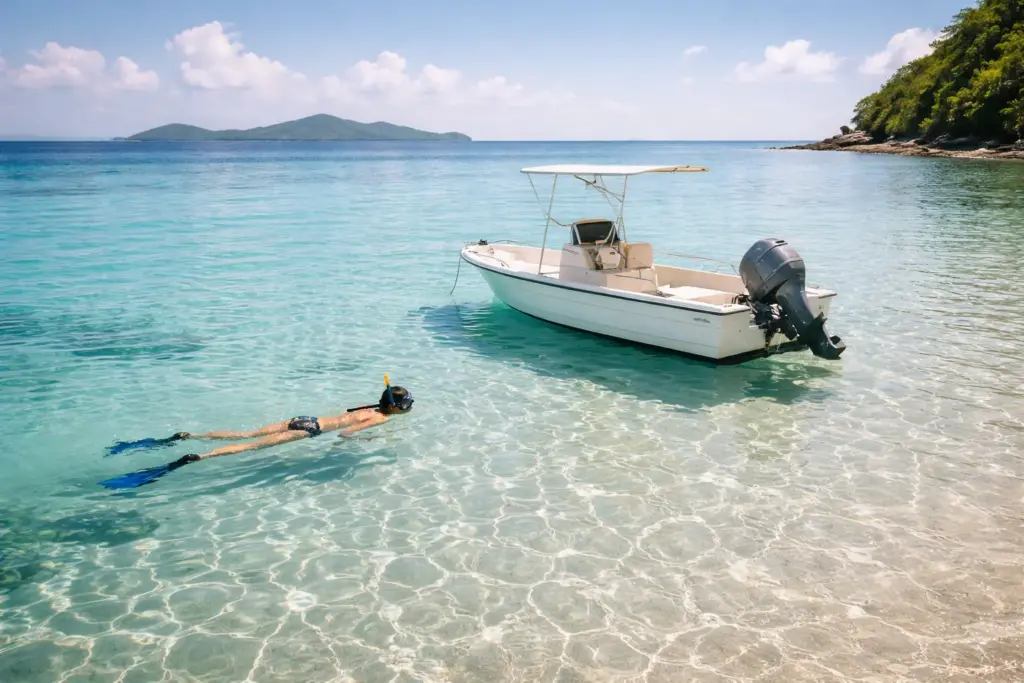
Want the unfiltered truth? Puerto Rico beaches reddit threads are literal goldmines for accurate, hype-free advice. The consensus is clear: the true top-tier spots aren’t on the main island at all. Users consistently direct travelers to the Ceiba Ferry Terminal to access Culebra and Vieques. Flamenco Beach on Culebra regularly ranks globally for its blinding white sand and rusted military tanks, while Vieques offers Mosquito Bay, an internationally protected Bio-Luminescent ecosystem.
“Our eastern island municipalities, specifically Culebra and Vieques, are no longer just alternative day trips. They are the primary driver for our high-intent eco-tourists seeking uncompromised natural environments.” – Leah Chandler, CMO of Discover Puerto Rico.
Reddit users also heavily warn about the intense summer crowds at mainland spots like Crash Boat. You really have to time your visits carefully to avoid the local holiday rushes.
Safety and environmental awareness should always be your top priority. This local guide breaks down which remote spots offer the most pristine ecosystems.
Accessibility and Amenities
You can’t just show up to the ocean empty-handed. Knowing what facilities actually exist before you park the car changes your entire day. Let’s talk about finding nearby spots and understanding the government’s public beach system, which acts as the backbone of local eco-safety.
Finding Puerto Rico Beaches Near Me
When you inevitably search for Puerto Rico beaches near me, the results will vary wildly based on your GPS location. If you are sitting in the central mountains, you’re looking at a 60 to 90-minute drive in literally any direction. Coastal towns offer immediate access, but not all shores are actually swimmable due to protected Marine Reserves where human traffic is restricted. Always cross-reference your location with live environmental data.
- From San Juan: Expect a 10 to 15-minute drive to reach Isla Verde or Piñones.
- From Ponce: Plan for 30 to 45 minutes to hit the quiet southern Caribbean coves.
- From Aguadilla: You’re only 5 to 20 minutes away from premier surfing breaks like Domes.
- From Fajardo: Drive 15 to 25 minutes to Seven Seas, or take a quick water taxi to the Icacos reserve.
Using location services is effective for spontaneous exploration projects if the project is at the immediate action stage. However, in the context of requiring specialized snorkeling reefs, this may not work. You need targeted research, not just geographical proximity. A recent tourism demand study (Discover Puerto Rico, 2025, San Juan, Puerto Rico) showed that eco-tourism arrivals recorded an 18.6% growth. That means those nearby convenient spots fill up much faster now.
What to Expect at Puerto Rico Beaches Public
The local government manages specific, highly maintained coastal areas called “Balnearios.” These Puerto Rico beaches public facilities are your absolute safest bet for families because they strictly adhere to environmental and safety protocols. They offer active lifeguards, netted swimming areas, and working fresh-water showers. Entry is usually completely free, but parking will definitely run you $3 to $5 per vehicle. Balneario Monserrate in Luquillo is the absolute gold standard, featuring over 60 food kiosks right outside the main gates.
- Maintained restrooms: Facilities are cleaned daily (bring your own toilet paper just in case).
- Marked swimming zones: Buoys clearly separate the safe wading areas from boat traffic.
- Wheelchair accessibility: Many locations feature concrete ramps directly onto the sand.
- On-site security: Guards actively patrol the lots during operating hours (usually 8:30 AM to 5:00 PM).
Visiting a Balneario is effective for family vacation projects if the project is at the high-stress planning stage. However, in the context of arriving after 11:00 AM on a summer Sunday, this may not work. The parking lots reach maximum physical capacity, and the guards literally close the gates.
FAQ
Are all coastal zones in Puerto Rico free to access?
Yes, but you will often have to pay $4 to $10 for parking if you use private lots or official Balneario facilities.
Can I rely on electric vehicle (EV) chargers near the coast?
No, unless you are specifically staying in the Condado or Dorado hotel zones where infrastructure is developed.
Are the beaches safe for young children?
No, unless you specifically visit protected coves or official Balnearios that actively monitor the NWS marine forecasts.
Do I need a rental car to reach Culebra or Vieques?
No, unless you plan to drive to the Ceiba Ferry Terminal yourself instead of taking a localized puddle-jumper flight from San Juan.
Will I encounter Sargassum seaweed on my trip?
Yes, but you can actively avoid the worst blooms by checking real-time tracking maps before choosing your daily destination.
When you look back at your past trips, what specific environmental or planning oversight ended up causing you the most frustration?
Don’t leave your coastal safety to chance. To ensure you’ve accounted for the latest 2026 environmental protocols and logistics, use our functional readiness tracker. Click below to save this high-density guide for your offline expedition.

Sources
- Discover Puerto Rico (2024, San Juan, Puerto Rico). Visitor Profile Fiscal Year 2023-2024. Puerto Rico Statistics Institute.
- Discover Puerto Rico (2025, San Juan, Puerto Rico). Tourism Demand in Puerto Rico Sees Significant Growth in Eco-Sectors. Travel Industry News.
- Discover Puerto Rico (2024, San Juan, Puerto Rico). Lodging Demand Grows: Year-to-Date Trends and Record Revenues.
- Dean, Brad. (2024). CEO of Discover Puerto Rico. Public statement on eco-tourism and marine sports.
- Chandler, Leah. (2025). CMO of Discover Puerto Rico. Public statement on eastern municipal island metrics.