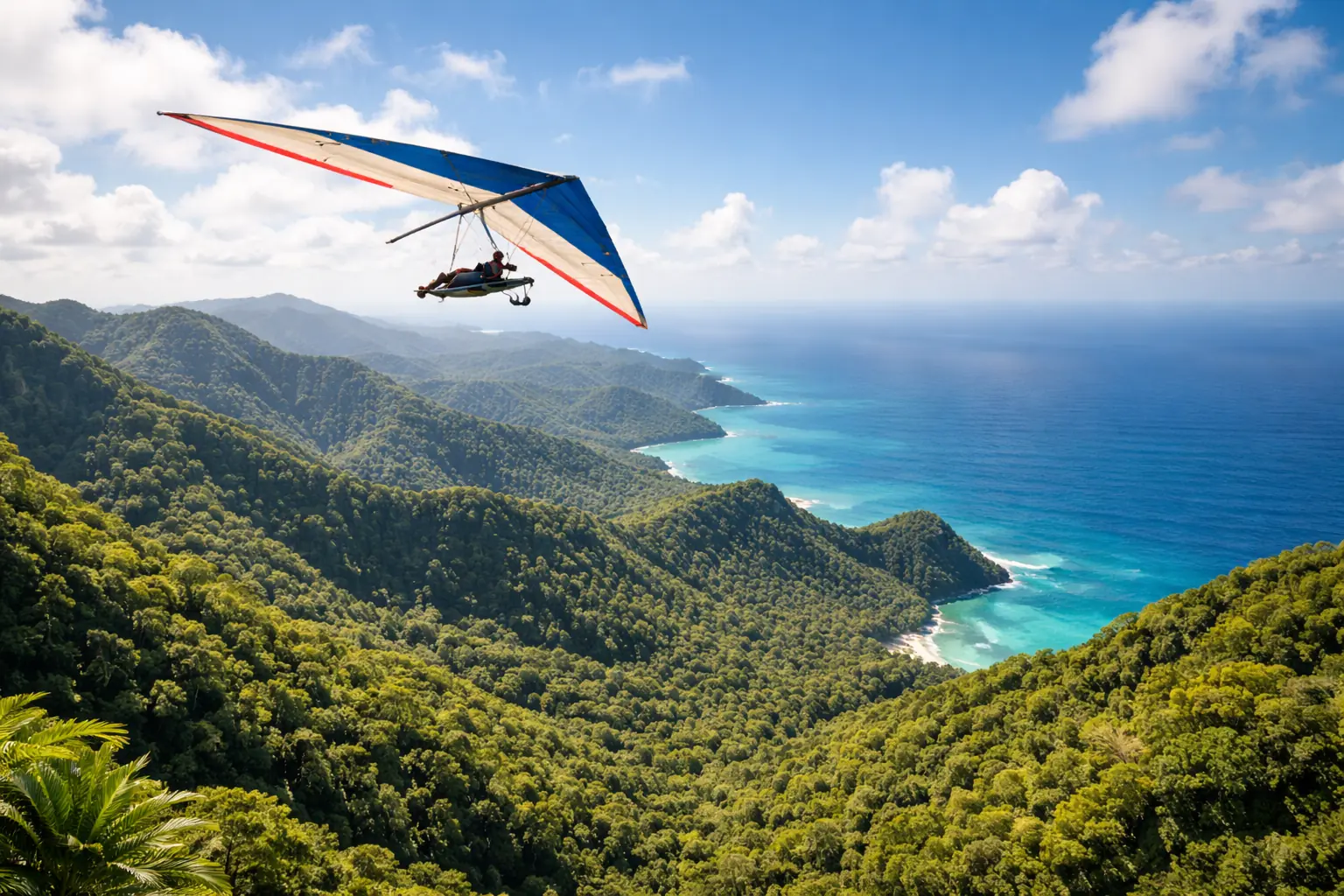
Are you tired of the same old beach resorts and crowded tourist traps? If you’re hunting for a real adrenaline rush, hang gliding Puerto Rico is the ultimate answer. Finding the absolute best hang gliding Puerto Rico offers isn’t just about jumping off a mountain; it’s about matching your skill level with the island’s unique wind patterns. So, what’s the catch? You can’t just show up and expect a perfect flight. We’ll walk you through everything from the actual hang gliding Puerto Rico price to decoding the most honest hang gliding Puerto Rico reviews. Let’s get straight to the facts so you can fly safely and confidently.
- Hang gliding in Puerto Rico: from coastal tourism to technical ridge-soaring mastery.
- Standard tandem flights prioritize views; professional hang gliding demands Vario-GPS-monitored thermal precision.
- Safety in Puerto Rico’s sky relies on ballistic reserve systems, not just pilot intuition.
Contents
- 1 Why Choose Hang Gliding in Puerto Rico?
- 2 Best Hang Gliding Spots in Puerto Rico
- 3 Understanding Hang Gliding Puerto Rico Prices
- 4 Hang Gliding Puerto Rico Reviews
- 5 Preparing for Your Hang Gliding Adventure
- 6 Booking Your Hang Gliding Experience
- 7 Maximizing Your Puerto Rico Adventure
- 8 FAQ
- 8.0.1 Why do “Pro-Level” hang gliding Puerto Rico flights cost more than standard ones?
- 8.0.2 Is hang gliding in Puerto Rico safe for absolute beginners?
- 8.0.3 Do I need to be in peak physical condition to fly?
- 8.0.4 What happens if local weather conditions change suddenly during my flight?
- 8.0.5 Can I bring my own camera to record the flight?
- 8.0.6 Flight Day Checklist (Before You Launch)
- 9 Sources
Why Choose Hang Gliding in Puerto Rico?
Trading a beach chair for a glider harness changes your entire perspective. The island offers an unbeatable mix of geography and climate, making it a premier destination for pilots (yes, really). It’s time to see why this Caribbean hotspot outshines the rest of the tropics.
Unique Scenic Views
When you launch from the central mountains, you aren’t just looking at trees. You get a sweeping visual of the El Yunque rainforest tapering down into the Atlantic Ocean. Visibility ranges from 15 to 40 miles on a clear day, giving you unparalleled views of both lush canopies and pristine coastlines. Taking a coastal flight is effective for your visual experience if the flight is at the beginner stage. However, in the context of advanced ridge soaring, this may not work. The colors pop, the horizons stretch forever, and the sheer vertical drop is mesmerizing.
Perfect Weather Conditions
Stable 12-18 knot trade winds enable consistent, predictable lift for year-round aerial operations. You don’t have to worry about the massive thermal blowouts common in mainland deserts. The air stays relatively warm, typically hovering between 75°F and 85°F year-round.
According to Quality in Sport (2025, Poland), engaging in aerial sports like paragliding and hang gliding enhances cardiovascular fitness and stress resilience. Puerto Rico’s stable weather allows you to reap these physical benefits without the constant anxiety of rapidly deteriorating storm fronts. The predictability of the Caribbean breeze makes hang gliding Puerto Rico a top-tier choice for consistent flying.
Rich Cultural Experience
You aren’t just a tourist in the sky; you’re landing right back into vibrant local life. Post-flight, you can grab amazing local food within a 5-mile radius of most landing zones.
- Local Coffee Shops: Grab a fresh, 4-ounce espresso shot right off the mountain farm to recharge your energy.
- Street Food Stalls: Taste authentic alcapurrias and empanadillas cooked fresh in 350-degree oil.
- Artisan Markets: Buy handmade wooden crafts directly from the creators for $10 to $30.
- Live Music Venues: Experience true bomba and plena rhythms that usually start around 8:00 PM on weekends.
Best Hang Gliding Spots in Puerto Rico
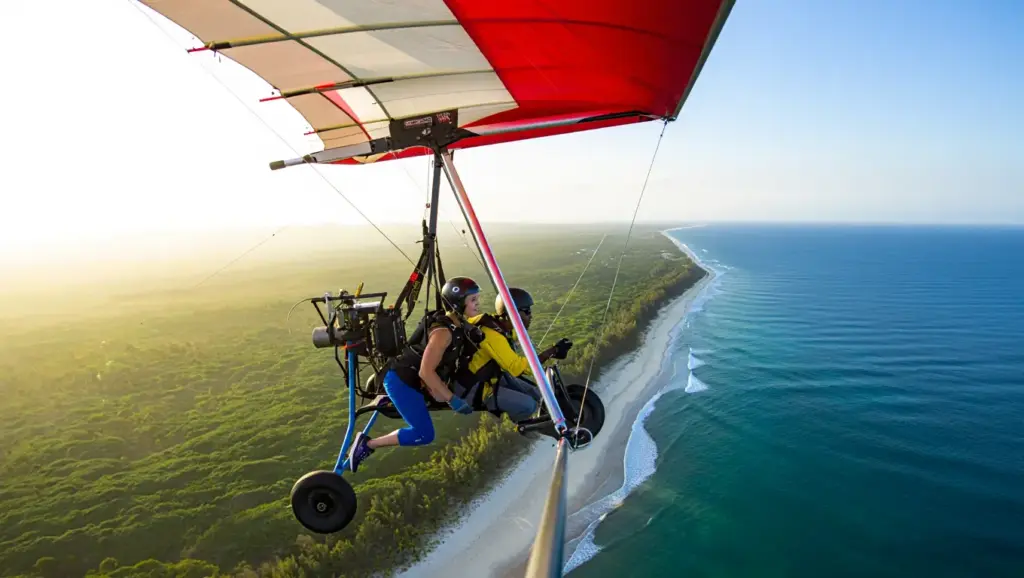
Location is everything when you’re strapped to a glider. Whether you’re a total novice or a seasoned pilot chasing high-altitude thermals, the island’s diverse topography has a specific launch site tailored to your exact needs.
Beginners need gentle trade winds; experts exploit complex orographic lift in Cordillera Central.
Top Locations for Beginners
Cubuy and the lower foothills near El Yunque are perfect for your first tandem flight. The slopes are gentle, and the landing zones are wide open (usually 300 to 500 feet of clear grass). To find the best hang gliding Puerto Rico locations for newbies, look for sites that face directly into the prevailing ocean winds. The coastal breezes stay safely under 15 mph, drastically reducing turbulence. Instructors favor these spots because the predictable air density allows for buttery-smooth takeoffs and stress-free landings.
Advanced Hang Gliding Sites
If you’ve got the hours logged, Arecibo and the central Cordillera Central offer serious ridge soaring. Here, launch elevations jump from 1,500 to over 3,000 feet. You’ll encounter complex thermal mixing. As Bruce Goldsmith, Paragliding and Hang Gliding World Champion, puts it: “If you are completely in the lee, you may be fully protected – but if you’re at the edge of the protected area, then you may well encounter the maximum amount of turbulence.”
Always check the micro-climate forecast at your specific launch altitude, not just the general island weather, before setting up your glider.
Hidden Gems for Aerial Enthusiasts
Orocovis isn’t just for ziplining. Some local pilots use the steep valleys here for dynamic flying. It’s remote, meaning you’ll likely have the airspace entirely to yourself. You won’t find this spot listed in standard hang gliding Puerto Rico reviews because the locals keep it quiet. The thermals here can pull you up at 300 to 500 feet per minute, making it a playground for experienced pilots looking to break away from the commercial crowds.
Understanding Hang Gliding Puerto Rico Prices
Let’s talk numbers because nobody likes hidden fees. The hang gliding Puerto Rico price depends heavily on the type of flight, the duration, and the specific equipment you’re renting.
Factors Influencing Cost
A standard tandem flight isn’t just a “ride”; it’s a technical aviation operation. The hang gliding Puerto Rico price fluctuates based on the level of technical gear provided, the instructor’s rating (e.g., USHPA Tandem Instructor), and the use of real-time telemetry.
| Technical Parameter | Standard Tandem Flight | Pro-Level Advanced Flight |
| Price Range | $180 – $225 | $250 – $350 |
| Wing Age | 3 – 5 years (Standard) | < 2 years (High-Performance) |
| Telemetry | Basic visual cues | Vario-GPS / Altitude Log |
| Safety System | Standard Harness | Ballistic Reserve + Airbag |
| Insurance Coverage | Minimum Requirement | Full Commercial Liability |
This comparison highlights that paying a premium often secures access to newer, more aerodynamically efficient gliders and advanced safety systems like integrated airbags. Choosing a flight package is effective for your budget if the flight is at the initial trial stage. However, in the context of long-duration, high-altitude cross-country flights, this may not work, as those require specialized gear and higher insurance premiums.
Price Range and Packages
Most operators charge exactly $225 for a standard tandem experience. This usually covers a 15 to 25-minute flight, depending entirely on the day’s thermal activity. If you want a GoPro video of your screaming face, expect to add $30 to $50 to that hang gliding Puerto Rico price. Using a basic package is effective for your budget if the flight is at the initial trial stage. However, in the context of obtaining your official pilot rating, this may not work.
Best Deals and Discounts
Booking during the off-season (September to November) can save you 15% to 20%. Many schools also offer group rates; if you bring three friends, you can often negotiate $20 off per person. Always ask if the hang gliding Puerto Rico price includes the transportation back up the mountain, as some operators charge a sneaky $15 shuttle fee.
Hang Gliding Puerto Rico Reviews
You shouldn’t trust just any marketing brochure when gravity is involved. Reading authentic hang gliding Puerto Rico reviews helps you filter out the sketchy operators and find the truly professional crews.
Customer Experiences
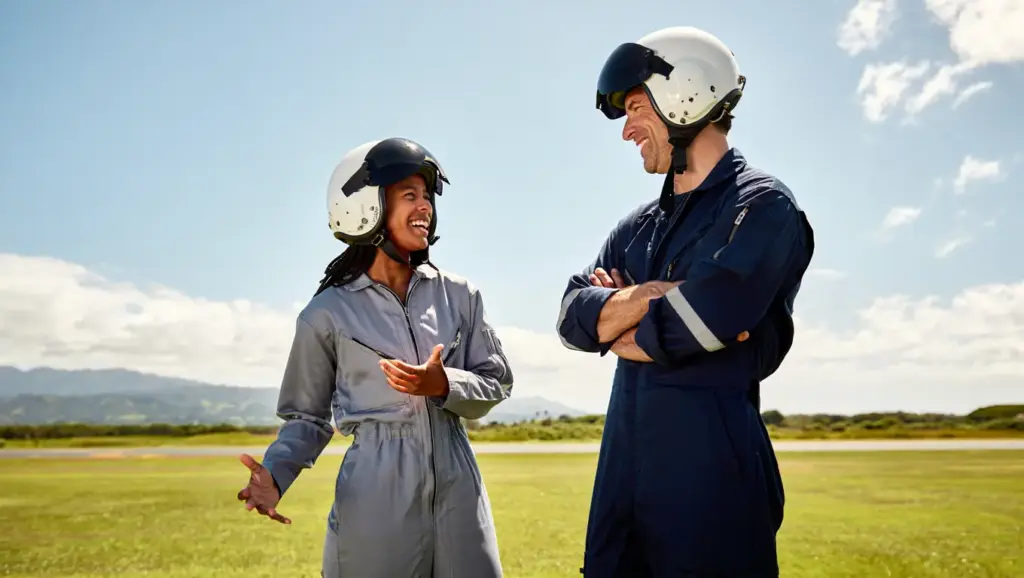
Most hang gliding Puerto Rico reviews highlight the instructors’ calming presence. Beginners frequently mention that the fear vanishes the second their feet leave the ground. The consensus is clear: the initial 10-second run is terrifying, but the subsequent 20 minutes feel like pure magic.
Watch this quick breakdown of a real flight experience in Arecibo.
Top Recommended Companies
When searching for the best hang gliding Puerto Rico has to offer, a few dedicated operators dominate the forums. They maintain strict weight limits (usually capped at 205 lbs) and prioritize modern, well-maintained equipment.
According to Discover Puerto Rico (2025, San Juan), the tourism industry generated $1.707 billion in hotel nights and rentals, indicating a massive influx of tourists relying on high-quality adventure operators. This financial boom means the best companies have the capital to invest in top-tier safety gear.
Safety and Quality Ratings
Don’t ignore the bad reviews. If someone complains about a rushed safety briefing in their hang gliding Puerto Rico reviews, take that seriously. Look for operators who hold current United States Hang Gliding and Paragliding Association (USHPA) certifications.
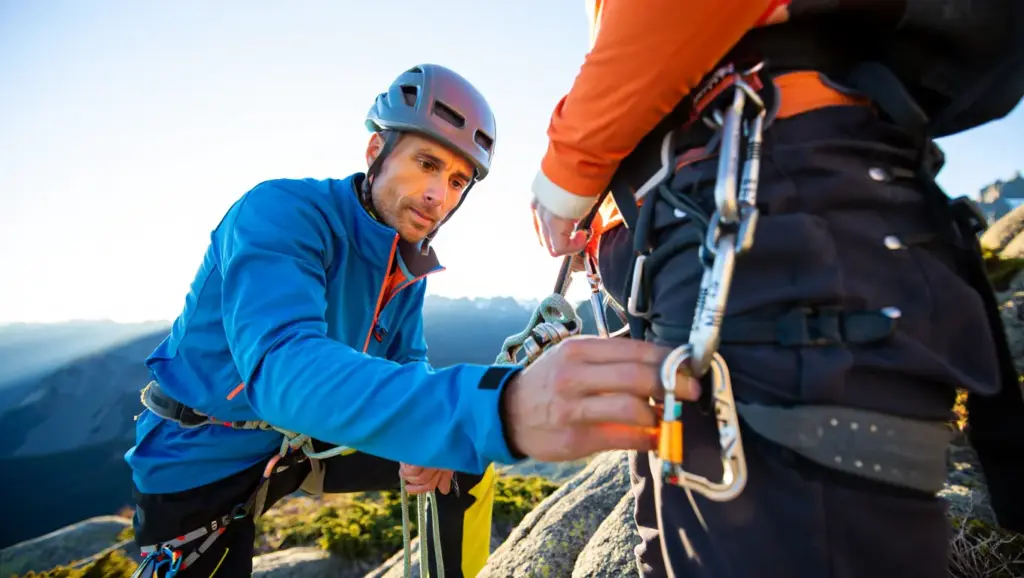
Never fly with an operator who skips the pre-flight harness check; if they don’t visually double-check your carabiners, walk away immediately.
Preparing for Your Hang Gliding Adventure
Showing up in flip-flops is a guaranteed way to ruin your day. Proper preparation ensures you stay safe and comfortable from the moment you step onto the launch pad.
Essential Gear and Equipment
FAA Part 103 compliance defines the boundary between reckless flight and professional aviation.
Even if you’re flying tandem, understanding the technical specifications of your gear is critical. Every certified operator in Puerto Rico must adhere to FAA Part 103 regulations regarding ultralight vehicles.
- Glider Aerodynamics: Look for modern tandem gliders featuring a glide ratio of at least 7:1. This ensures a stable descent path even in varying wind speeds.
- Reserve Parachute System: Ensure the harness is equipped with a modern ballistic reserve parachute (often tested to 250 lbs minimum deployment force). This is your secondary safety layer if thermal turbulence exceeds the primary wing’s recovery threshold.
- Instrumentation: Professional instructors use Vario-GPS units to monitor your sink rate and ground speed in real-time. This tech allows them to find orographic lift (slope-soaring lift) more efficiently than visual estimation alone.
- Structural Safety: The harness should feature an integrated back protection foam or airbag system to mitigate impact force during landing.
Safety Tips and Guidelines
Beyond the basics, you need to understand the environmental factors influencing your flight.
- The Sea Breeze Front: Most coastal launches rely on the interaction between cold ocean air and warm land temperatures. Always ask your instructor about the “sea breeze front” timing, as this shift can significantly alter landing patterns.
- Liability and Insurance: Reputable providers require a signed Aviation Liability Waiver. If an operator doesn’t mention insurance, it’s a red flag—professional aviation operations in Puerto Rico typically maintain a minimum $1,000,000 general liability policy for commercial tandem flights.
Physical and Mental Preparation
You don’t need to be an Olympic athlete, but you must be able to jog lightly for about 15 to 20 feet during takeoff. Mentally, accept that you won’t be in control if you’re a passenger. Dramamine is highly recommended 30 minutes prior if you’re prone to motion sickness, as the thermal spirals can mimic a rollercoaster.
Booking Your Hang Gliding Experience
Locking in your flight date requires a bit of strategy. The best operators book up fast, especially during the peak winter months, so you can’t leave this until the last minute.
How to Choose the Right Provider
You want the best hang gliding Puerto Rico experience, right? Look past the shiny websites and focus on the hard data.
- Verify their current USHPA tandem instructor certifications online.
- Ask about the age and maintenance schedule of their gliders (gliders over 5 years old require rigorous inspection).
- Check their specific weight and height restrictions before paying your deposit.
- Read at least ten recent hang gliding Puerto Rico reviews on independent, third-party sites.
- Confirm that they offer a dedicated 4×4 transport from the landing zone back to the launch site.
Booking Tips and Tricks
Book your flight for the early morning, ideally between 8:00 AM and 10:00 AM. The winds are smoother, and you’re far less likely to get rained out by afternoon tropical showers. A morning booking is effective for schedule management if the trip is at the planning stage. However, in the context of wanting strong afternoon thermal lifts for cross-country flights, this may not work.
Cancellation and Refund Policies
Weather is totally unpredictable. Most reputable companies require a 48-hour notice for a full refund if you cancel. If they cancel due to high winds (sustained over 20 mph), you should get a 100% refund or a free reschedule. Always read the fine print regarding the hang gliding Puerto Rico price refund policy before handing over your credit card.
Here is a great example of adjusting to sudden wind changes during a flight.
Maximizing Your Puerto Rico Adventure
You’ll only be in the air for a fraction of your trip. The rest of your time should be spent exploring the incredible food, nature, and culture that surrounds the launch zones. Once you’ve conquered the skies, continue your island exploration by checking our list of must-visit landmarks across the island.
Proper flight gear requires 7:1 glide ratios to ensure stability during tropical thermal shifts.
Combining Hang Gliding with Other Activities
If you fly in the morning near El Yunque, you can easily spend the afternoon hiking to La Mina falls. Make the most of your geographic location.
- Bioluminescent Bays: Kayak in Fajardo’s glowing waters after the sun goes down.
- Surfing: Hit the 4 to 6-foot waves in Rincon on the west coast.
- Cave Exploration: Tour the massive, 268-foot deep Camuy River Cave Park.
- Coffee Tours: Visit a working hacienda in the central mountains and roast your own beans.
Local Attractions and Dining
You’ll burn serious adrenaline, so you’ll be hungry. Seek out a local “lechonera” in Guavate for slow-roasted pork. Skip the overpriced tourist traps in San Juan and eat where the locals eat. The food is 50% cheaper and infinitely better.
Always carry $40 to $60 in cash; many rural food stands and mountain cafes near launch sites don’t accept credit cards.
Travel and Accommodation Tips
Rent a car with decent ground clearance (like a small SUV with at least 7 inches of clearance). The roads leading up to the launch sites can be incredibly steep and potholed. Staying in a local Airbnb near the mountains beats driving two hours from a San Juan hotel before a 9:00 AM flight.
FAQ
Why do “Pro-Level” hang gliding Puerto Rico flights cost more than standard ones?
The higher price covers Aviation Liability Insurance and the use of Vario-GPS telemetry to identify thermals more accurately. You’re also paying for top-tier gear, such as wings with a 7:1 glide ratio and integrated airbag protection, which significantly improves flight safety and duration.
Is hang gliding in Puerto Rico safe for absolute beginners?
Yes, provided the operator follows FAA Part 103 regulations, performs a mandatory pre-flight harness check, and utilizes tandem gliders equipped with ballistic reserve parachute systems.
Do I need to be in peak physical condition to fly?
No, unless you weigh over 205 lbs (93 kg), which is the standard weight limit for most tandem equipment. You simply need the mobility to perform a short, 15-to-20-foot running takeoff to generate sufficient lift for a clean launch.
What happens if local weather conditions change suddenly during my flight?
Professional instructors continuously monitor local data and the sea breeze front cycle. If wind speeds exceed the 20 mph operational threshold, the flight is grounded immediately to ensure pilot and passenger safety.
Can I bring my own camera to record the flight?
Yes, but the device must be secured to your harness with a specialized lanyard. Loose equipment is strictly prohibited to prevent debris from falling and endangering the landing zone area.
Would you like me to create a customized 3-day itinerary that pairs your flight with the best hidden food spots on the island?
Flight Day Checklist (Before You Launch)
- Weight Verification: Confirm your weight is within the 205 lbs (93 kg) threshold to ensure the glider remains within its rated maximum takeoff weight (MTOW).
- Documentation: Carry a valid ID and your signed Aviation Liability Waiver to save time at the check-in desk.
- Gear Check: Ensure you have your polarized sunglasses with a retention strap and that any camera is equipped with a specialized lanyard.
- Environmental Prep: Check the sea breeze front forecast for the launch site to prepare for potential wind shifts.
- Safety Briefing: Listen carefully to the pre-flight harness check procedures—if you don’t hear your carabiners being verified, ask the instructor to do it again.
Looking for an even more detailed guide? Download our comprehensive Flight Readiness Checklist in PDF format. It includes pre-flight weather analysis, essential gear inspection, and emergency contact templates to ensure you are fully prepared for your Puerto Rico hang gliding adventure.

Sources
- Discover Puerto Rico (2025). Tourism Revenue and Industry Update.
- Hang Gliding and Paragliding Association of Canada (2024). HPAC Safety Advisory – Spring 2024.
- Federal Aviation Administration (FAA). Part 103: Ultralight Vehicles.
- United States Hang Gliding and Paragliding Association (USHPA). Safety & Training Manual.
- Bruce Goldsmith, Paragliding and Hang Gliding World Champion. Official Blog/Tech Insights.